Stump grinding mulch and cleanup in Halifax
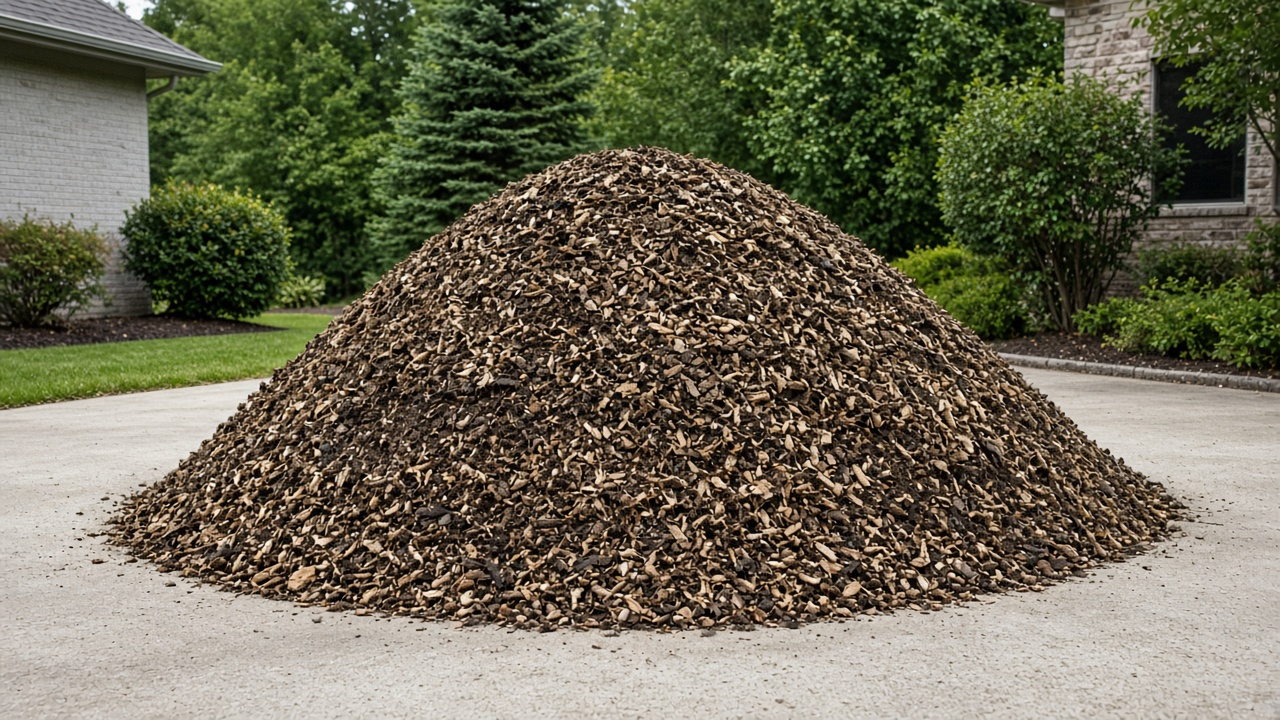
The stump disappears. Then the pile appears. Chip volume surprises almost everyone the first time. This page sets expectations for leaving grindings as fill, spreading them as mulch, hauling them away, and getting grass to grow afterward—without pretending every quote includes white-glove cleanup by default.
What chips are
Grindings are a mix of shredded wood and soil from the cavity. They are useful as path mulch and bed mulch. They are imperfect as an instant lawn seedbed because they are woody, settle as they compost, and can temporarily tie up nitrogen. Leaving them in the hole is common and often smart; covering with a skin of topsoil helps germination.
Leave, spread, or haul
- Leave in place: fill the cavity, rake level, optional soil and seed
- Spread: ornamental beds and paths; keep thick fresh piles off living trunks
- Haul: pay to remove when you need a flat seedbed or lack space
- Give away: some homeowners post free mulch locally
Many market quotes leave chips unless haul-away is written. Confirm before work day. Reddit threads are full of people who assumed cleanup was included.
Why the lawn dips later
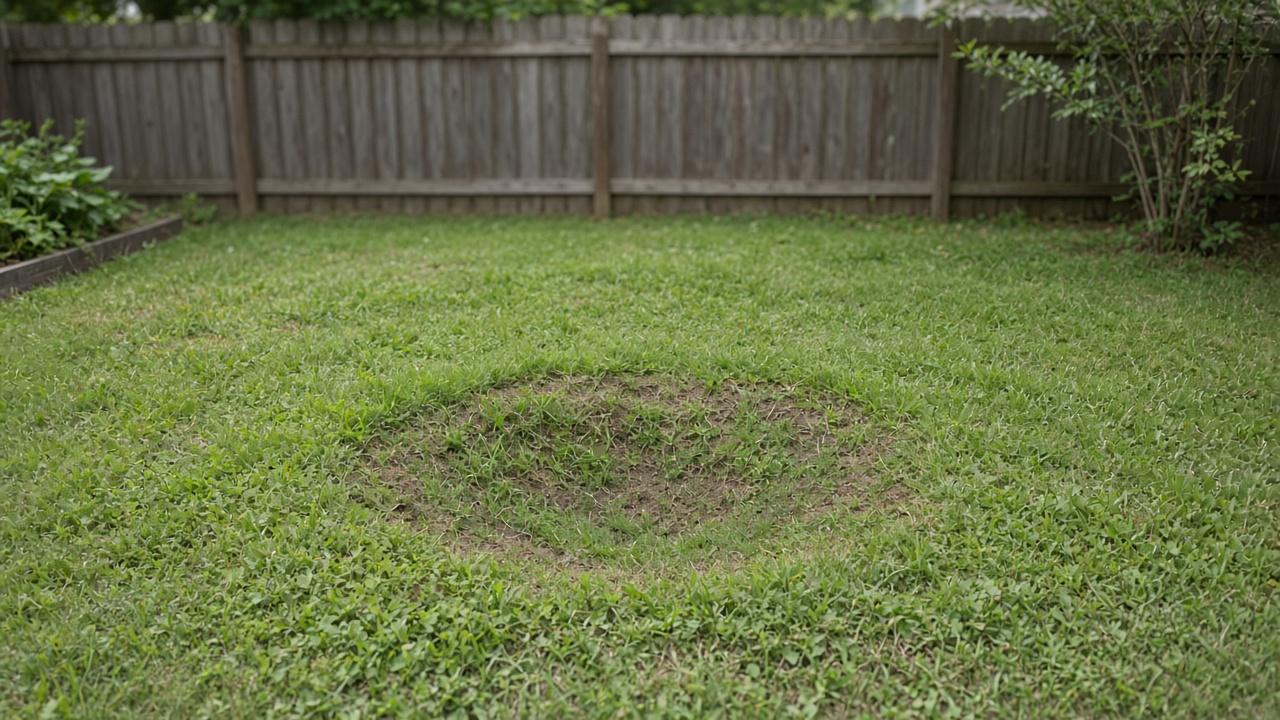
As chips decompose, the area sinks. Plan to add soil more than once over a couple of years. That is normal, not a failed grind. If you need a perfect lawn quickly, haul chips and bring in proper topsoil—budget for it.
Disposal rules
Mixed dirt and wood is heavy and may not qualify as clean green-bin yard waste. Confirm HRM disposal rules. Hauling contractors typically use facilities that accept the mix. Do not assume curbside pickup will take a pickup bed of grindings.
Cost note
Haul-away is often a separate line from grinding. Confirm leave, spread, or remove in writing so the finished yard matches what you expected.
Return to stump grinding for depth and process, or the homepage for the full overview.
Planning chip volume before grinding day
Diameter and depth drive volume. A wide hardwood flare ground twelve inches down produces far more material than a small ornamental ground four inches down. If your yard is small, decide haul-away before the pile exists. If you have beds to fill, leaving chips can offset buying bagged mulch—just age or spread them rather than smothering lawn.
Using chips in beds and paths
Fresh grindings are coarse and mixed with soil. They work on paths and around established shrubs. Keep thick piles off living trunks and away from house siding. As chips age they darken and fine down. Some gardeners prefer to park chips in a corner for a season before spreading on showpiece beds.
Lawn recovery playbook
- Remove excess chips if the seedbed must be mostly mineral soil
- Add topsoil to bring the cavity slightly proud of grade
- Seed or sod and keep moisture consistent
- Top up as settling appears over the next seasons
- Fertilize thoughtfully if growth yellows on high-carbon spots
Expect clover and weeds to colonize neglected spots first. That is biology, not a failed grind. Persistent concave dips after two years of top-ups may indicate larger decaying roots below—address those as a root issue, not only a mulch issue.
Haul-away logistics
Hauling mixed dirt and wood may require a truck and a facility that accepts the blend. Homeowners who try to bag everything for weekly trash learn why contractors charge for removal. If you haul yourself, confirm tip fees and whether loads must be free of rocks and plastic. Never dump chips on public land or neighbour property without permission.
Free mulch etiquette
Posting free mulch works when you describe location, approximate volume, and whether the material is mixed with soil. Set a pickup window. Keep the pile accessible without destroying your lawn with extra truck traffic. Once the pile is gone, rake remaining fines into the cavity and proceed with soil and seed.
What “cleanup” should mean on paper
- Rake radius around the stump
- Blow or sweep hardscape of thrown chips
- Chip disposition (leave / spread / haul)
- Whether topsoil and seed are included
- Who owns settling top-ups later
If the estimate only says “grind stump,” assume you own the pile. Prefer language that matches the finish you want when you walk the yard that evening.
Chip blow and property protection
Grinders throw material. Windows, cars, and vinyl siding deserve distance or protection. Ask how the crew contains scatter on windy harbour days. Cleanup should include hardscape sweeping, not only the stump circle. If a neighbour’s driveway catches chips, plan courtesy cleanup into the scope.
Composting grindings on site
If you have room, a chip pile can become compost over years with turning and nitrogen inputs. That is a long game. Most urban Halifax lots lack the space; haul or spread is more realistic. Do not bury plastics, nails, or gravel from the grind zone into a compost you later use on vegetable beds—screen if unsure.
Matching mulch to plantings
Acid-sensitive ornamentals may not love thick layers of fresh softwood chips. When in doubt, use grindings on paths and established shrub belts, and buy screened compost for annual beds. Keep mulch a few centimetres off stems and siding. Replenish as chips settle and lighten in colour.
Communicating finish quality
Words like “broom clean,” “raked level,” and “chips hauled” mean different things to different crews. Walk a finished example photo with the estimator if you can. Prefer measurable language: chips removed from site, cavity filled to grade with grindings plus five centimetres of topsoil, hardscape blown clear within three metres of the stump.
When haul-away is the cheaper lifestyle choice
DIY removal of a large pile can consume weekends and truck rentals that approach a contractor haul fee. If you already juggle kids, work, and a small driveway, paying for haul-away is often the rational call. If you have a garden project hungry for mulch and a place to stage it, keeping chips is free feedstock. Choose based on calendar and space, not guilt about “wasting” wood.
Seasonal notes for chip handling
Autumn grinding leaves chips that sit under snow and settle unevenly by spring—plan a spring top-up. Summer haul-away during drought may kick dust; wet spring soils make truck access harder on lawns. If you seed late in the season, protect new grass from chip wash during heavy rain with light straw or a soil cap, not a mountain of fresh grindings.
Summary for Halifax homeowners
Decide chip fate before the machine arrives, put it on the quote, and budget soil for settling. Keep, spread, or haul based on space and timeline. Cleanup is a defined finish, not a vibe. Call with photos if you want help choosing among leave, spread, and haul for your specific yard.
Talking with your landscaper next
If a landscaper will install sod or beds after grinding, share the chip plan with them. Some prefer virgin soil; others will work grindings into path bases. One shared plan prevents the grinder from leaving a pile the landscaper refuses to touch without a change order. Alignment between trades is part of cleanup even when the trades are separate companies.
Mulch & cleanup FAQs
Should I expect the stump grinder to clean up the mess?
Only if the estimate says so. Default in many markets is chips left on site.
How big is the chip pile from one stump?
Homeowners are often shocked — large stumps can yield a small mountain of chips mixed with soil.
Can I use stump grindings as mulch in garden beds?
Yes for paths and ornamental beds if you want them; avoid thick fresh piles where you need immediate lush lawn.
Why won’t grass grow well on the fresh grindings?
Chip and soil mix is woody, settles as it decomposes, and can rob nitrogen temporarily. Mix with topsoil, top up low spots over seasons, and fertilize and seed patiently.
Is paying to haul chips worth it?
Worth it if you lack space, hate the pile, or need a flat seedbed quickly. Hauling is a common paid add-on.
Can I give chips away for free?
Some homeowners post free mulch locally and clear piles without paying dump fees.
Will the area sink after chips are left in the hole?
Often yes, gradually. Plan to add soil more than once over a couple of years.
Do grindings belong in normal municipal green bins?
Mixed dirt and wood is heavy and may not be accepted as clean yard waste — confirm local HRM disposal rules; hauling contractors often use appropriate facilities.
Can chips be left as fill and covered with soil?
Common approach: leave grindings in the cavity, rake level, optionally top with soil and seed.
Is free mulch from grinding safe around other trees?
Aged or spread mulch can help retained trees if kept off trunks; huge fresh piles against stems are a poor idea — spread thoughtfully.